
Xaltocron / About
Cooking is easier when someone shows you how
Most recipe sites give you a list of steps. We give you a live kitchen — an expert on screen, questions answered in real time, and a dish you can actually finish tonight.
Xaltocron started in 2022 from a simple observation: people were not struggling with ingredients, they were struggling with confidence. A webinar format fixed that.
What we actually do
A platform built around the live moment
Each session runs under 45 minutes and targets one specific technique — knife prep, sauce timing, one-pan balance. The format is tight by design.
Participants type questions mid-cook. The host adjusts. That back-and-forth is the part no recipe card can replicate.
Where the platform has been
A short, honest account of how Xaltocron grew from a single test session to a regular weekly schedule.
Early 2022
First test session — 12 participants, one pasta dish, one camera
Mid 2022
Weekly cadence established, live Q&A format locked in
2023
Guest hosts introduced — local chefs, nutritionists, home cooks
Early 2024
Session replays added — available 48 hours after broadcast
Now
Regular audience, consistent format, still refining every session

The format that stuck
Sessions open with a two-minute ingredient check — everything visible, nothing hidden. Participants confirm they have what they need before the host starts cooking.
Who leads the sessions
Hosts are selected for one quality above all: they can cook and explain simultaneously without losing either. Most come from a background in cooking education rather than restaurant kitchens.

Tobias Fennell
Lead Host, Xaltocron
"I try to cook at the pace someone would actually cook at home — not the edited version."
What participants say changes
The most common shift is not skill — it is the willingness to start. Watching someone cook in real time, imperfectly, makes the kitchen feel less intimidating.
Sessions are kept short deliberately. A 40-minute webinar fits between a commute and dinner. The recipe is chosen to match — nothing that needs marinating overnight or resting for an hour.
The second reason is simpler: the chat stays open. Questions from last week sometimes shape what the host covers this week. That feedback loop is something a recorded tutorial cannot offer.
How sessions are chosen
Topic selection comes from a short poll sent to the mailing list each fortnight. The most-requested technique goes on the schedule. No algorithm, no guessing.
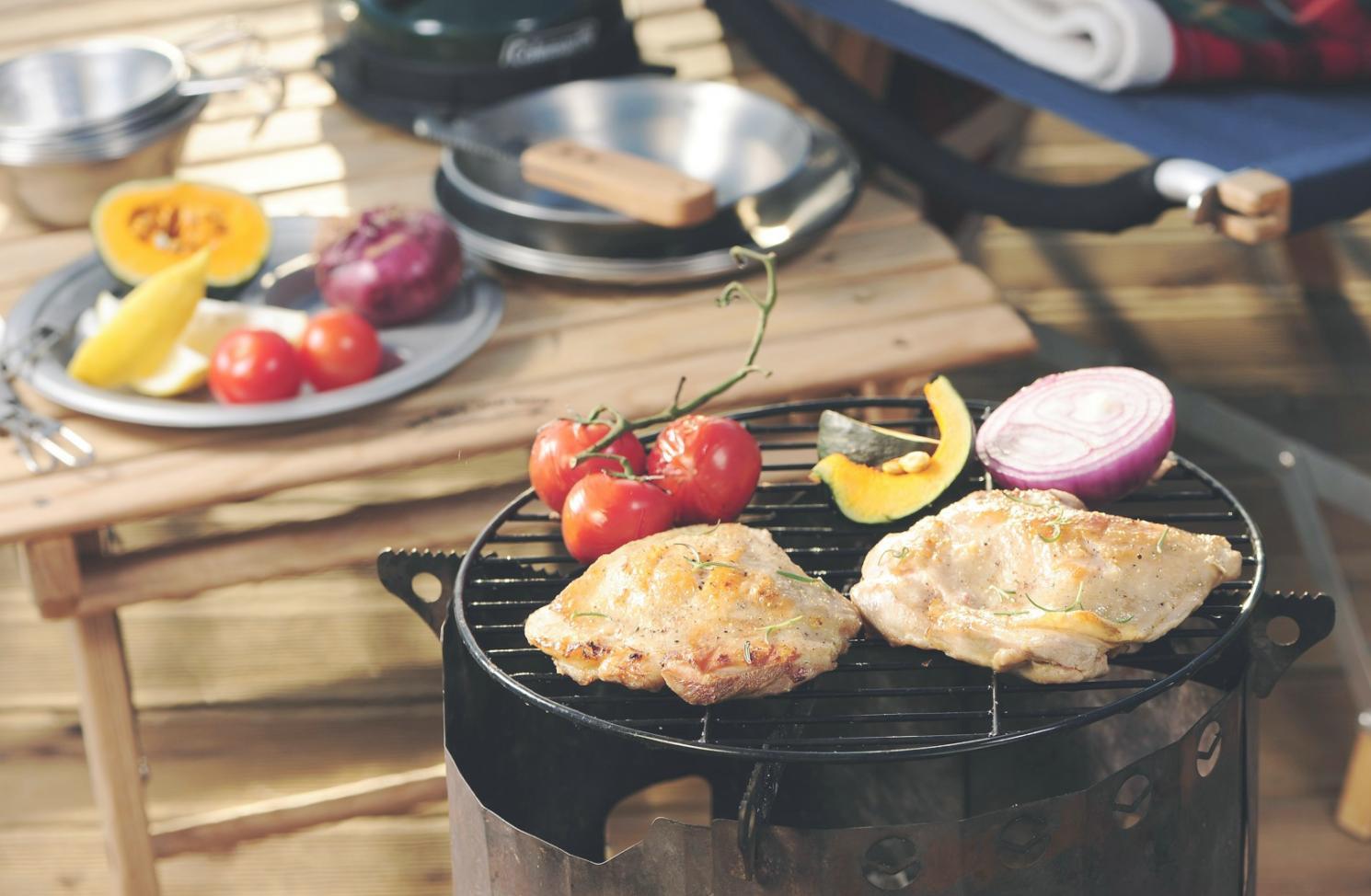
Ingredients kept realistic
Every session uses ingredients available at a standard supermarket. No specialty imports, no equipment beyond a standard stovetop and one decent pan.