
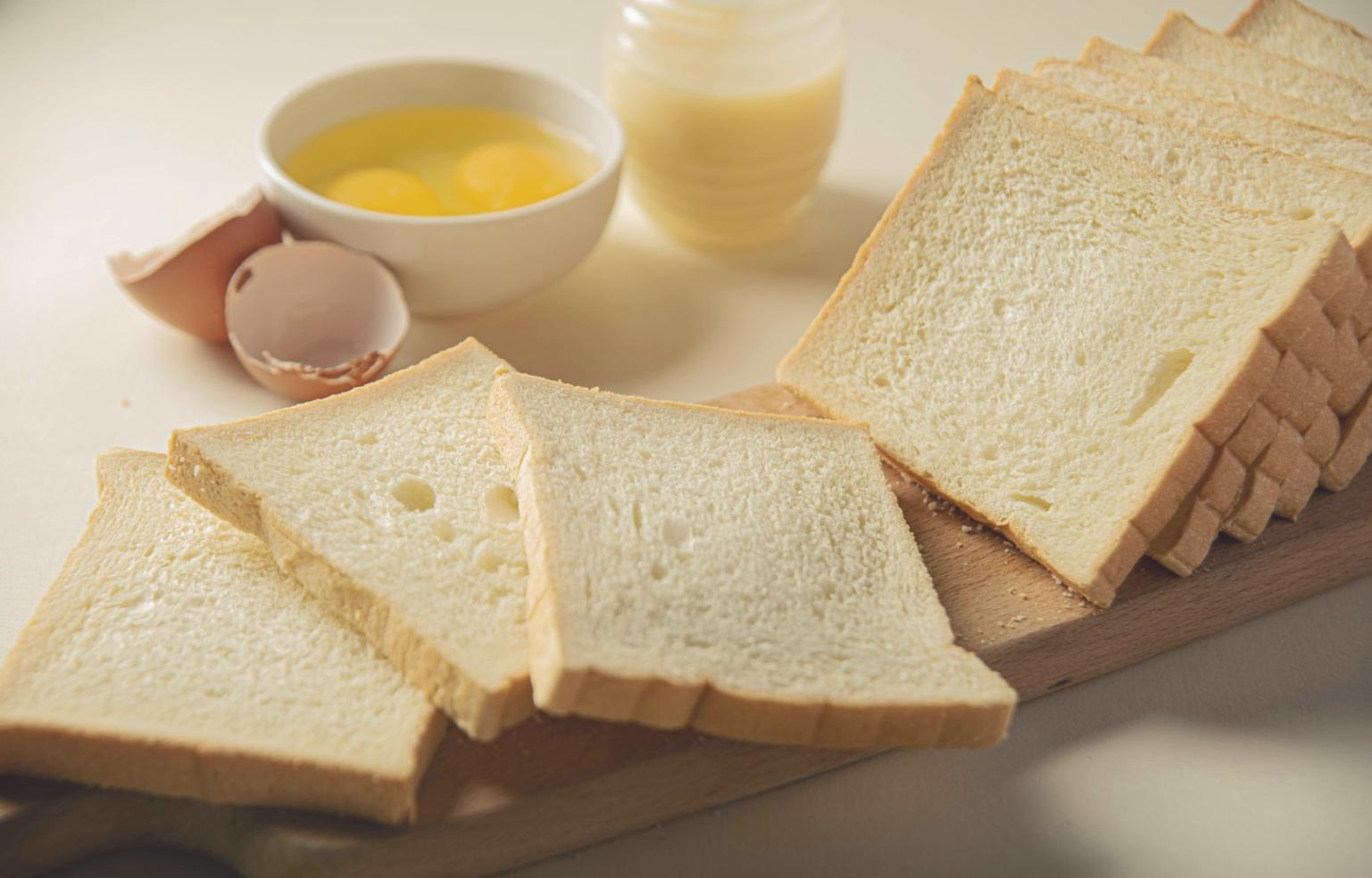
Case study breakdowns
Real kitchens, real constraints.
These are stories from people who had 30 minutes, a half-empty fridge, and no desire to order takeaway. Here is what they figured out — and how.
Three households, three different starting points
Each case below captures one person's actual cooking situation — the friction, the adjustment, and what stuck.
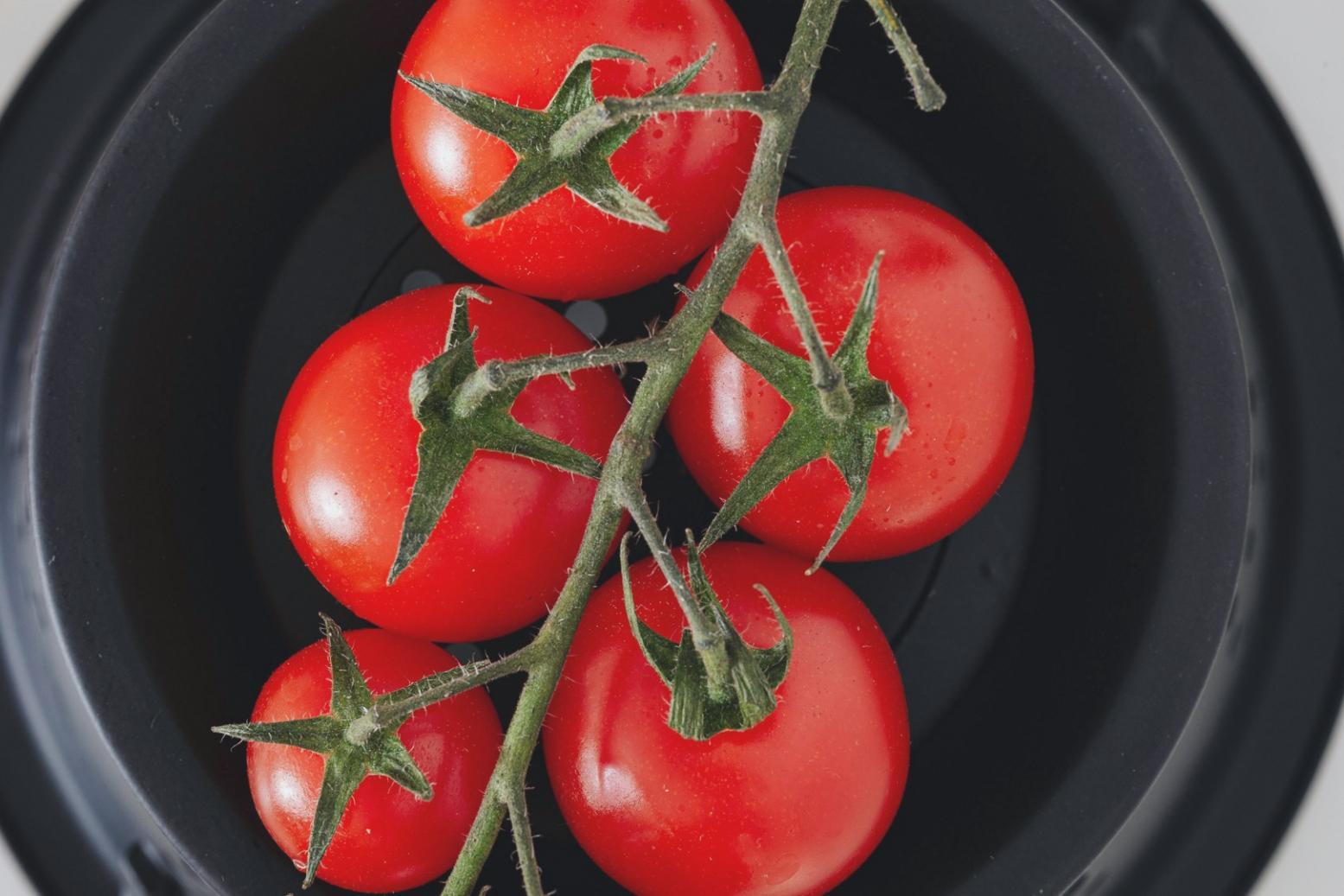
Bridget Okafor stopped planning meals entirely — and ate better for it
Bridget had tried meal plans twice before. Both times she abandoned them by Wednesday because life intervened. She came to a Xaltocron webinar in 2022 not looking for another plan, but for a different way of thinking about food on busy nights.
The shift was learning four base formulas — grain bowl, pasta, stir-fry, soup — and rotating through them rather than following specific recipes. She stopped buying ingredients for dishes and started buying ingredients for formulas.
"I cook from the fridge now, not from a list. It sounds obvious, but nobody had framed it that way before."
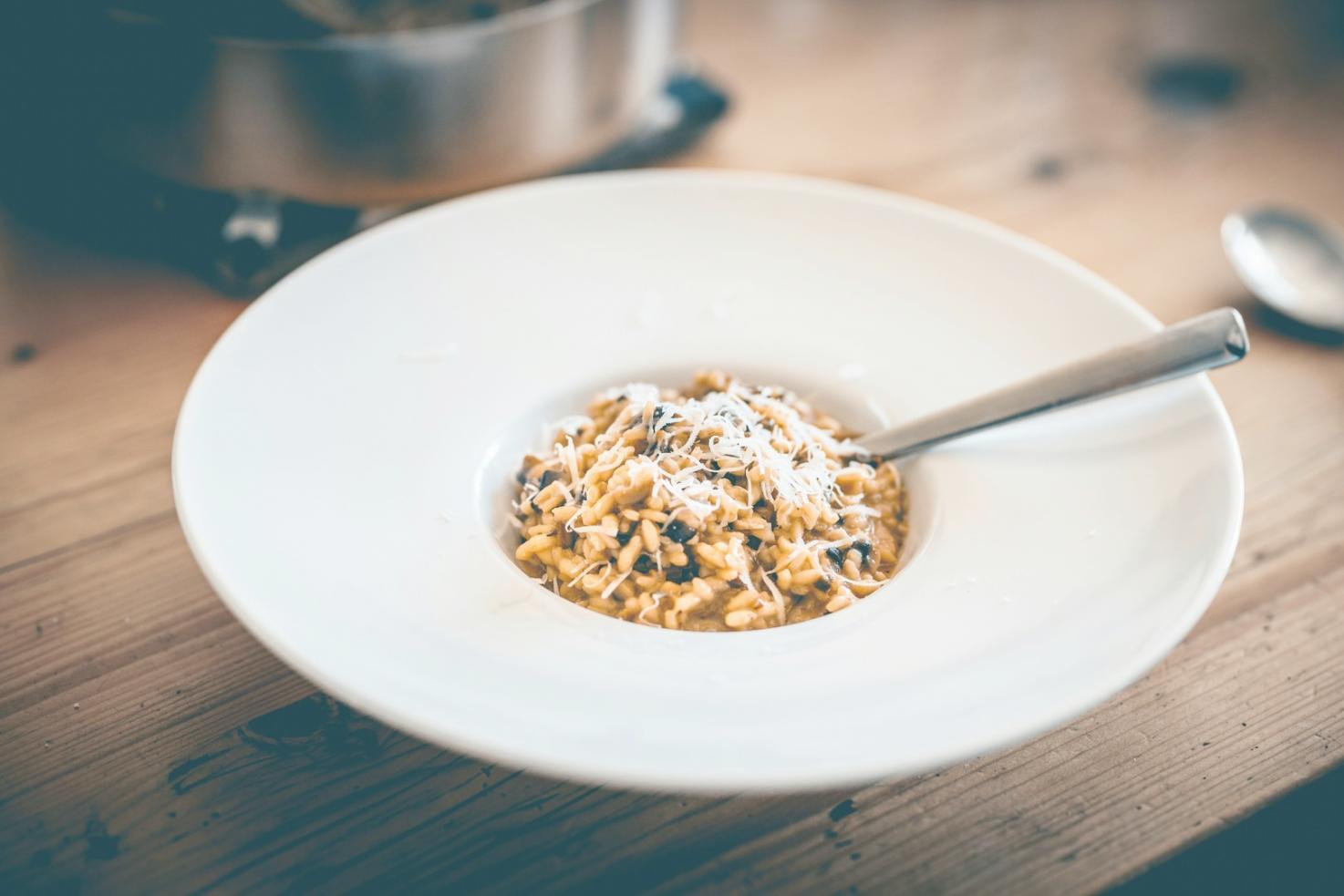
Tomás Vreeland learned to cook on a tight budget without tracking every cent
Tomás was spending more on food than his rent budget allowed. His problem wasn't money — it was that he bought ingredients for specific recipes, used half, and discarded the rest.
After one session on pantry logic, he rebuilt his shopping around seven staples that overlap across dishes: dried lentils, eggs, tinned tomatoes, oats, garlic, olive oil, and frozen spinach. His weekly spend dropped by roughly a third without counting anything.
The lesson wasn't frugality — it was overlap. Every ingredient needed to earn its place in at least three different meals.
Yannick Ferrante needed food that worked at 11 pm after a 10-hour shift
Standard advice about cooking fresh meals every evening didn't apply to Yannick's schedule. He finished work at odd hours and needed something that required no decisions and almost no active cooking time.
He settled on a Sunday batch of two grains and one protein, kept in separate containers. Each night he combined them differently — different sauce, different vegetable — so the same base ingredients produced genuinely distinct meals across the week.
Assembly isn't cooking, but it is eating well. That distinction mattered more than he expected.
The pattern that appeared across all three
None of them followed the same path. But when their approaches were compared side by side, the same underlying logic kept surfacing — fewer decisions, more overlap, and a single consistent structure that adapted to whatever was available.
What changed wasn't their skill level. It was the frame they used to look at a half-empty fridge on a Tuesday evening.
Reduce the decision load first
Every person who struggled with weeknight cooking was making too many choices at the wrong moment. Picking a formula in advance — not a recipe — removed the bottleneck entirely.
Buy for overlap, not for dishes
Ingredients that appear in only one recipe create waste. Ingredients that appear in four or five create flexibility. The shopping list becomes a toolkit rather than a checklist.
Separate cooking time from eating time
Batch-prepping two or three components on a quieter day means weeknight assembly takes under 10 minutes. The cooking already happened — the evening meal is just putting it together.
Use one flavour layer per meal
A single sauce, spice mix, or acid component applied consistently keeps meals coherent without requiring culinary knowledge. Variety comes from the base, not from complexity.
Audra Svenning
Nutritionist · Adelaide
A practitioner's view from the outside
"I attended two Xaltocron sessions to see what participants were actually being taught. What I noticed was the absence of perfectionism — no pressure to cook from scratch every night, no guilt about shortcuts."
Audra works with clients who have complicated relationships with food and cooking. She was looking for resources she could point them toward without worrying about unrealistic expectations being set.
The framing around batch prep and formula-based cooking aligned with what she already recommended clinically — it just presented it in a more accessible way for people without a nutrition background.
attended live
to the programme
prep time reported